The rule, in plain language
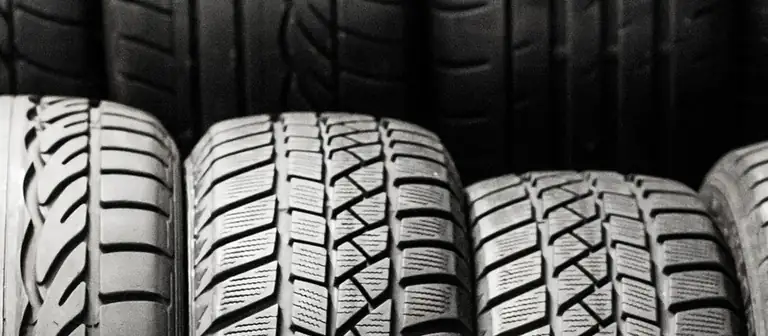
In Queensland, a tyre on a light vehicle must have a tread pattern at least 1.5 mm deep in all principal grooves, other than at the tread-wear indicators. That tread must run in a continuous band across the part of the tyre that normally meets the road, and around the whole circumference of the tyre. A good-looking patch in one spot is not enough.
That comes from Schedule 1, section 52 of Queensland's 2021 light vehicle standards (the Transport Operations (Road Use Management, Vehicle Standards and Safety) Regulation 2021). The same 1.5 mm figure is used in Queensland's test-vehicle requirements. It is a legal minimum for the tyre to be on the road, and it is also what a safety certificate inspection is looking for on tread depth.
Principal grooves are the wide grooves, usually in the centre of the tread or running across it, where the wear indicators sit. Secondary, shallow grooves can disappear as the tyre wears and are not the measure.
How to check it yourself
Look into the main grooves for the small rubber bars that sit across them. Those are the tread-wear indicators. When the tread is worn level with those bars, you are at the end of the legal tread. Do not wait until you can see canvas or a smooth patch.
Check more than one place on each tyre, and check all four tyres, plus the spare if you have one. Wear is often worse on one shoulder, or on one side of the car. A coin can give you a rough idea, but a proper gauge or a workshop check is better, especially if the car is close to a roadworthy or a long trip.
If the wear is uneven, depth is only half the story. A tyre can still be at 1.5 mm in the centre and be scrubbed on the edge. That is usually pressure, alignment or a suspension issue. See signs you need a wheel alignment.
Why you should replace before the legal limit
The legal minimum is not a comfort target. As tread gets down, the tyre has less ability to shift water on a wet Gold Coast road. Braking distances get longer, and the risk of sliding in heavy rain rises, well before the inspector would fail the tyre for depth alone.
Some people have heard that 3 mm is the legal limit. In Queensland it is not. 1.5 mm is the figure in the light-vehicle standards. Replacing earlier can still be the sensible decision, especially if you drive in the wet a lot, tow, or have a way to go before you next look at the tyres.
Tread is also not the only reason a tyre comes off. Sidewall damage, a bulge, a bad repair, or age can mean replacement even if the depth is legal. See how old is too old for tyres in Australia and tyre repair or replacement.
Roadworthy inspections and everyday driving
If you need a roadworthy certificate to sell or transfer the car, tyres are an easy place to fail. Depth has to meet the rule around the tyre, and damage, exposed cords or the wrong rating can also be a reason for rejection. Do not leave the tyres until the morning of the inspection.
For everyday driving the same standard applies. A tyre below 1.5 mm is not legal to use, even if 'it still looks all right from the footpath'.
We do a free tread check at 37 Egerton Street, Southport, with no obligation. If a tyre should come off, new and used replacements start from $35 fitted. Used tyres we fit have up to 90% tread, which is a long way above the legal floor.
If you are close to the limit, come in
Call (07) 5527 0004 or drive in. We will measure the tyres, show you what we find, and quote options rather than one take-it-or-leave-it line. We'll beat any quote or your tyres are FREE. Afterpay, Zip and humm are available.
Most replacements are done while you wait. If only one tyre is down and the others are even and healthy, a single match may be enough. If a pair is down, replace them together.
For month-to-month habits that keep you off the limit, see how to maintain your wheels and tyres.