There is no legal use-by date
In Australia, and in Queensland, we could not find a law that says a passenger tyre must be removed at a set age. A tyre can be unroadworthy because of tread, damage or structure, but age by itself is not written down as a year limit the way the 1.5 mm tread rule is.
That does not mean an old tyre is automatically fine. Rubber hardens, dries and can crack over time, even on a car that does few kilometres, and even on a spare that has never been on the road. Heat, sunlight and storage conditions all play a part. Gold Coast heat does not make tyres last longer.
When we inspect a tyre we always read the date code, look at the sidewalls and tread, and then talk you through what we see. Age is one part of that conversation, not a sticker that says pass or fail on its own.
How to read the date code
On the sidewall, usually near the letters DOT, there is a four-digit date code. The first two digits are the week of manufacture (01 to 53). The last two are the year. So 4521 means the 45th week of 2021. That is how you tell how old the tyre is, not the date you bought it, and not the date it was first fitted.
Sometimes the date code is only on one side of the tyre, so you may need to look at the inner sidewall. If you cannot find it, drive in and we will locate it. Older tyres made before the year 2000 used a different, shorter date mark. Those tyres are well past the age anyone should be putting into service.
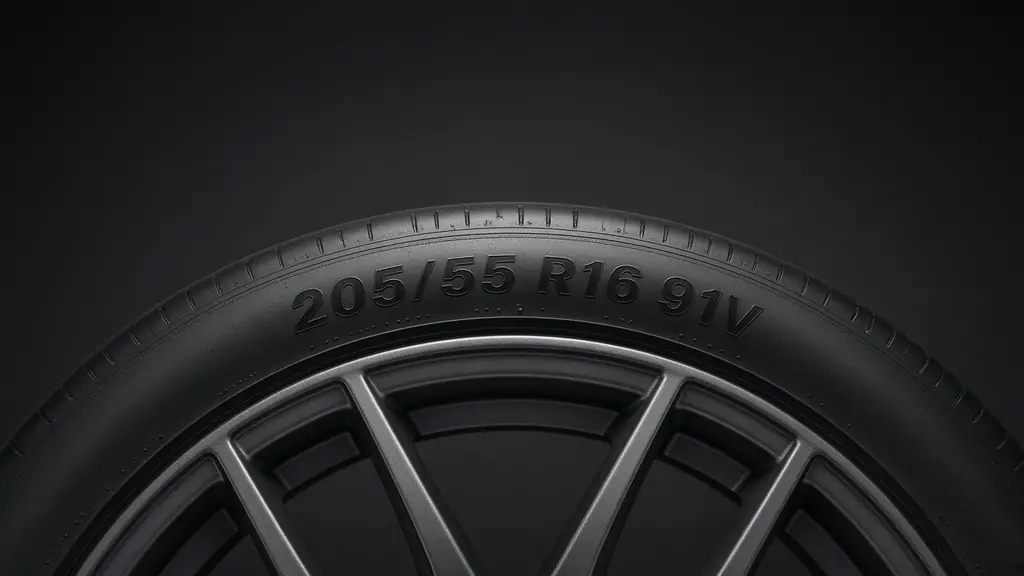
The rest of the sidewall marking is the size, load and speed rating. If you need a refresher, see how to read your tyre size.
What manufacturers usually advise
This is advice, not a law. Major manufacturers such as Michelin and Continental say that a tyre should be checked by a professional from about five years after it was made, and that tyres, including the spare, should be replaced by ten years from the date of manufacture, even if they still have tread and look all right from a distance.
Some vehicle makers set their own figure in the handbook. If your handbook says something different, follow that for your car. We will not pretend every tyre automatically fails at a birthday. We will also not tell you that a ten-year-old tyre is a bargain just because the tread is deep.
A used tyre can be a good buy if the remaining tread is high, the casing is sound, and the age is acceptable. It is a poor buy if it is old, cracked, uneven or repaired in the wrong place. That is why we check used tyres before they are fitted. See are used tyres safe.
Tread, damage and age all count
A young tyre can still be illegal or unsafe if the tread is below 1.5 mm in Queensland, or if the sidewall is damaged. An older tyre can still have plenty of tread and still need to come off because of cracking or a hard, aged compound. You have to look at the whole tyre.
For the tread rule itself, read legal tyre tread depth in Queensland. For month-to-month care, see how to maintain your wheels and tyres.
If you are selling the car, a roadworthy certificate will also look at tyre condition. Do not leave that to the day before the sale.
If you are unsure, we will read them with you
Bring the car to 37 Egerton Street, Southport, or call (07) 5527 0004. A free tread check includes a look at condition and the date code. There is no obligation.
If a tyre should come off, we can replace it with new or used, from $35 fitted, while you wait. We'll beat any quote or your tyres are FREE. Afterpay, Zip and humm are available.
Do not guess from a blurry photo of the sidewall if you can come in. The inside of the tyre and the way it has worn tell us as much as the date stamp.