
Use the placard, not a guess and not the sidewall
Every car, SUV, 4x4 and ute has a recommended tyre pressure. It is printed on a placard, usually on the driver's door or the door frame, sometimes in the fuel flap or the handbook. That figure is the one the vehicle was designed around. It may give a different number for a loaded car or for the front and rear.
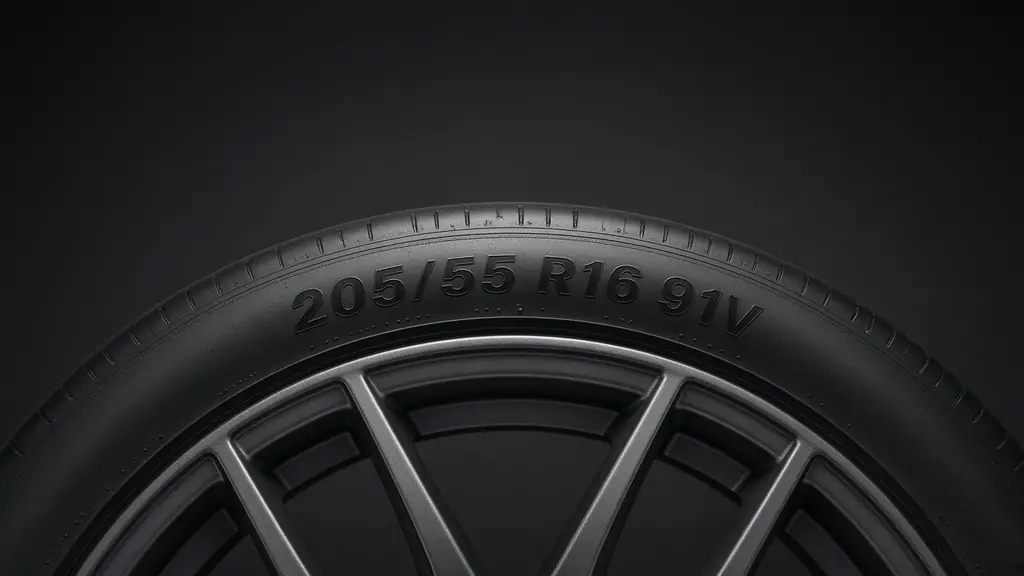
The large number moulded into the tyre sidewall is a maximum inflation pressure for the tyre, not the recommended pressure for your vehicle. Pumping to the sidewall figure because it 'looks official' is a common mistake. It can make the ride harsh and the tread wear in the centre.
We will not publish a generic psi or kPa figure for Gold Coast cars in this post. Your Mazda, your Ranger and your people mover are not the same vehicle. If the placard is missing or unreadable, the handbook should have it, or we can help you look it up when you come in.
Check them cold, and check them often
A 'cold' tyre is one that has not been driven more than a short distance, and has not been sitting in afternoon heat after a highway run. Pressure rises as the tyre warms up. If you check after a trip down the M1, the gauge will read higher than the true cold figure, and you may let air out when you should not.
Once a month is a good habit, and always before a long trip or a loaded weekend away. Include the spare if you have one. A decent gauge is worth more than the built-in warning light alone. A tyre pressure monitoring system tells you something is wrong. It does not set the pressure for you.
If a tyre keeps losing pressure, stop topping it up and hoping. Bring it in. It may be a nail, a leaking valve, or corrosion on the rim. See puncture repair if you think you have a slow leak.
Heat, load, towing and the beach
Gold Coast heat is hard on under-inflated tyres. A tyre that is already low works hotter. That can damage the structure as well as wear the shoulders. Keeping to the placard, checked cold, is the basic defence.
If you are towing, carrying tools, or packing the car for a trip, use the loaded pressure on the placard if one is given. If the placard is silent, stay with the recommended figure and come and talk to us rather than inventing a number. Load rating of the tyre still has to be right as well. Pressure cannot make a tyre carry more than it is built for.
For soft sand, some drivers lower pressure temporarily to get more footprint, then must air back up before they return to the road. A low-pressure tyre on the Gold Coast Highway is dangerous. If you want help planning that, say so when you call. We will not put a beach number on a blog post and leave you to drive home on it.
What the wrong pressure does to wear and handling
A tyre that is too soft often wears on both shoulders and can feel vague or roll in a corner. A tyre that is too hard often wears in the centre and can feel sharp over bumps. Either way, you give away kilometres you have already paid for.
Uneven wear is not always pressure. Wheel alignment and worn suspension parts cause shoulder wear too. If pressures are right and the wear is still uneven, have the alignment checked. An $89 alignment is cheaper than a new set.
After you change pressures for a load, or after we fit new or used tyres, we set them to the placard as part of the job. Most fitting is done while you wait.
We will set them with you
Drive in to 37 Egerton Street, Southport, for a free tread and pressure check. Bring the car, not just a question. We will look at the placard, the gauge, and the tyres.
If you also want a rotation, see when to rotate your tyres. For the wider care routine, see how to maintain your wheels and tyres.
Call (07) 5527 0004 if you would rather speak first. We are a walk-in workshop, Monday to Saturday, a short run from Main Beach and the rest of the central coast.